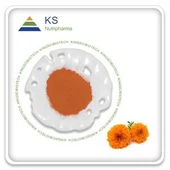
is a kind of carotenoid and the highest level product of carotenoids. The structural characteristics of astaxanthin make it easy to react with free radicals to scavenge free radicals and play an antioxidant role in this process. The research shows that the antioxidant activity of astaxanthin is 6000 times that of vitamin C, 800 times that of coenzyme ASTA and 560 times that of EGCG, 75 times of α- lipoic acid, 200 times of lutein and 1000 times of vitamin E. As the king of antioxidants, astaxanthin has been found to have more than 100 physiological and biological functions, such as anti-aging, protecting skin health, preventing cardiovascular diseases, inhibiting and preventing diabetes, protecting the eyes and central nervous system, enhancing immunity, relieving exercise fatigue, enhancing energy metabolism and inhibiting tumor.

Kingsci Biological đã phát triển nano-astaxanthin thông qua nghiên cứu thực hành lâm sàng. Chất có kích thước hạt nhỏ hơn 30nm được phát triển bởi hệ thống vận chuyển nano giải quyết triệt để vấn đề về độ hòa tan và tính ổn định của astaxanthin, làm cho astaxanthin được bao bọc ổn định trong chất mang nano và có thể làm tăng đáng kể hiệu quả hấp thụ và sinh khả dụng.
Tại sao sử dụngNano-Liposomal Astaxanthin?
Độ hòa tan | Tan trong chất béo | Sự ổn định | Sự hấp thụ | Đơn xin | |
Astaxanthin | × | √ | × | × | Viên con nhộng |
√ | × | × | × | Viên nang, đồ uống, mỹ phẩm | |
Nano-Liposomal Astaxanthin | √ | √ | √ | √ |
Xóa nếp nhăn do tác dụng của astaxanthin liposomal nano

Usage suggestion: adding under room temperature and heating to above 40 ℃ can speed up the dissolution rate. Recommended dosage: 1-5%. The effect is better with resveratrol and other products.
Ứng dụng của lĩnh vực thực phẩm
The encapsulation method to be used will depend on the water content of the food to be further incorporated. Thus, the use of micro or nano emulsified systems (including micro/nanoemulsions, fresh liposomes/nanoliposomes, solid lipid nanoparticles, nanoparticulate lipid systems, etc.) is much more restricted in foods with low or intermediate moisture levels, as well as in reformulated humid foods such as pâtés, sausages or surimi-based products in which moisture adjustment is crucial to modulate their textural properties. Encapsulation methods, such as spray-drying or electrohydrodynamic atomization, among others, which produce dry micro- or nanoparticles, would be preferable in those cases.